

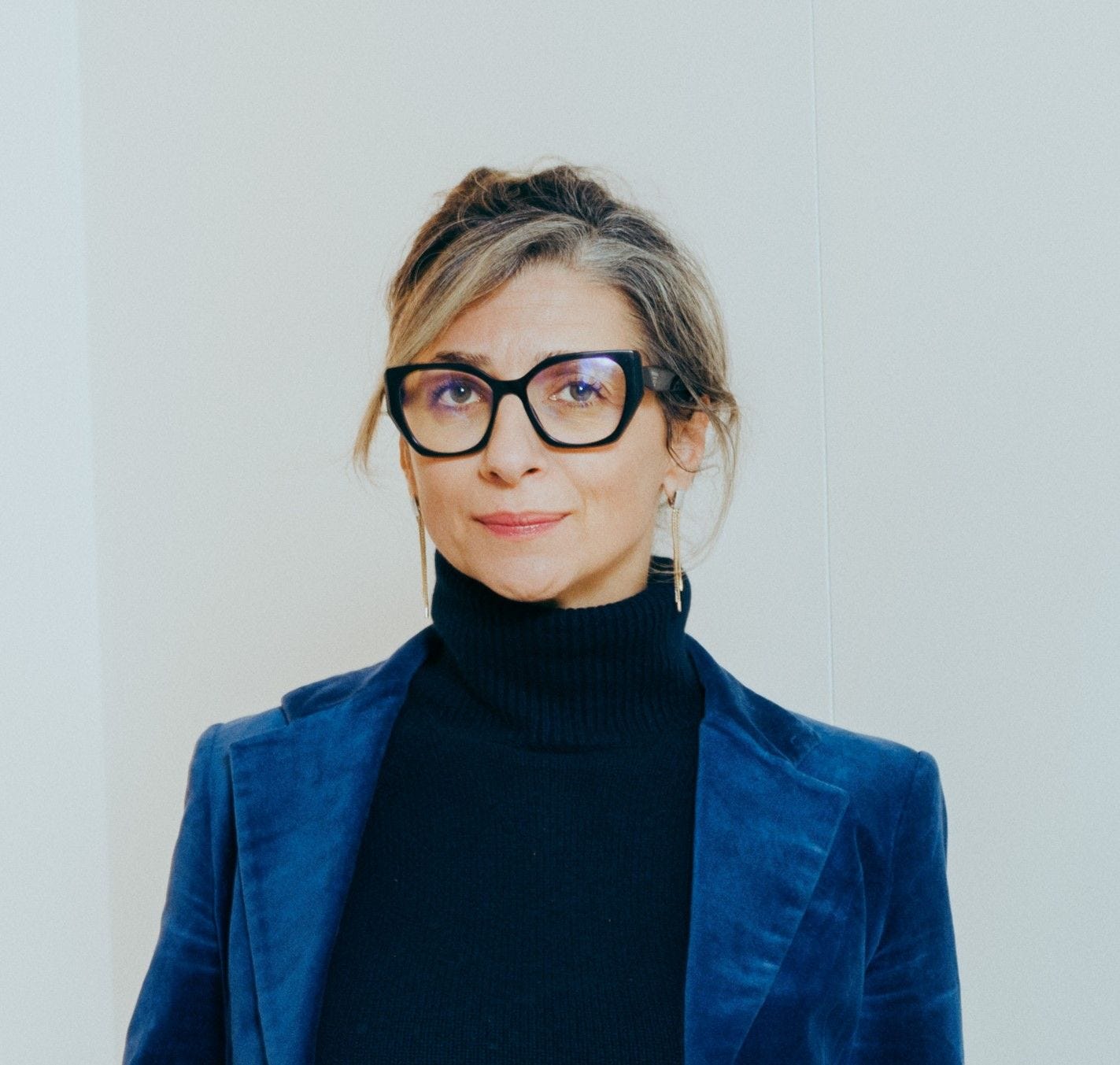
They failed to silence Francesca. They tried to bankrupt her. They tried to turn her into a ghost, erased from the banking system, from medical care, from her own family’s lives. But a federal judge just told the Trump administration: you can’t do that. A U.S. federal judge has granted a preliminary injunction suspending sanctions against UN Special Rapporteur Francesca Albanese, delivering a simple, powerful truth:
The preliminary injunction temporarily suspends the Trump administration's sanctions, restoring Francesca Albanese's access to US banking systems, payment platforms, and entry into the United States. The ruling prevents the sanctions from continuing to effectively ‘debank' her and making it 'nearly impossible to meet the needs of her daily life,' as her family had argued in their lawsuit.
This means US citizens and entities can now legally do business with her, allowing her to continue her human rights work without the Trump administration’s financial warfare cutting off her ability to operate. When Francesca Albanese described the July 2025 sanctions which named her as a "specially designated national" as leaving her “financially censored”—unable to open bank accounts, access medical insurance, or travel to the U.S. where her family holds citizenship—she was naming the architecture of silencing. Not through brute force, but through the slow, methodical destruction of a person’s ability to exist in the world.
The lawsuit was brought by Albanese’s husband and minor daughter, who argued the Trump administration sanctioned her in retaliation for her recommendation to the International Criminal Court to pursue war crimes prosecutions against Israeli and American nationals. A UN official doing her job—documenting genocide—faces financial ruin because her work might inconvenience the powerful.
This is our world now, where accountability itself has become a radical act that must be punished.
When financial systems are weaponized to punish truth-tellers, it is an attack on the very foundation of what makes us human.
Albanese’s own words carry the weight of this struggle:


What has taken a huge toll on her, as she has written, is “the genocide of the Palestinian people, unfolding and still unrestrained. Seeing what men and women can do to other men and women, and children and older people, has been sickening.”
This brings us to the broader context that makes this victory both significant and fragile. The sanctions case is receiving substantial media coverage in the US, in stark contrast to the silence of Italy’s President, government and much of the Italian press, including parts of the center-left media. Selective outrage is no outrage at all.
Consider also the New York Times’ decision to conduct a lengthy interview with Albanese in early 2024 on cases of sexual violence against Palestinian women in Israeli detention centers—and then never publish it.


This is the same publication that would later run an investigation into sexual violence in Israeli detention, but only when framed in ways that don’t challenge too many assumptions about power.
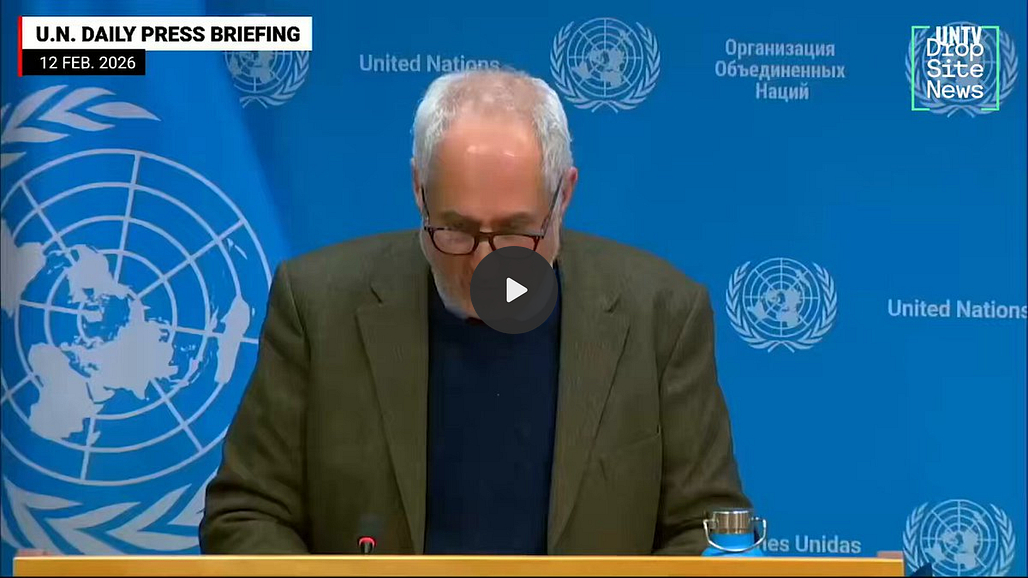
When Albanese spoke of “a common enemy,” meaning “the system” that sustains a “pro-apartheid genocidal narrative” and shields those in power from accountability, the UN Secretary-General’s spokesman refused to defend her. “We don’t agree with much of what she says,” he said. “We wouldn’t use the language that she’s using.”

Just because a question is simple doesn’t mean the answer is simple. Some truths are too uncomfortable for even our most powerful institutions to acknowledge.
This victory reminds us that the fight for free speech is not abstract. Free Speech is not about protecting comfortable speech or popular opinions. It’s about protecting the right to speak truth to power, to document atrocities, to name genocide when we see it, and to demand accountability even when it makes the powerful uncomfortable.
This is more than a legal victory. It’s a statement that even in dark times, even when the systems of power try to silence us, the truth—and those who speak it—cannot be permanently censored.
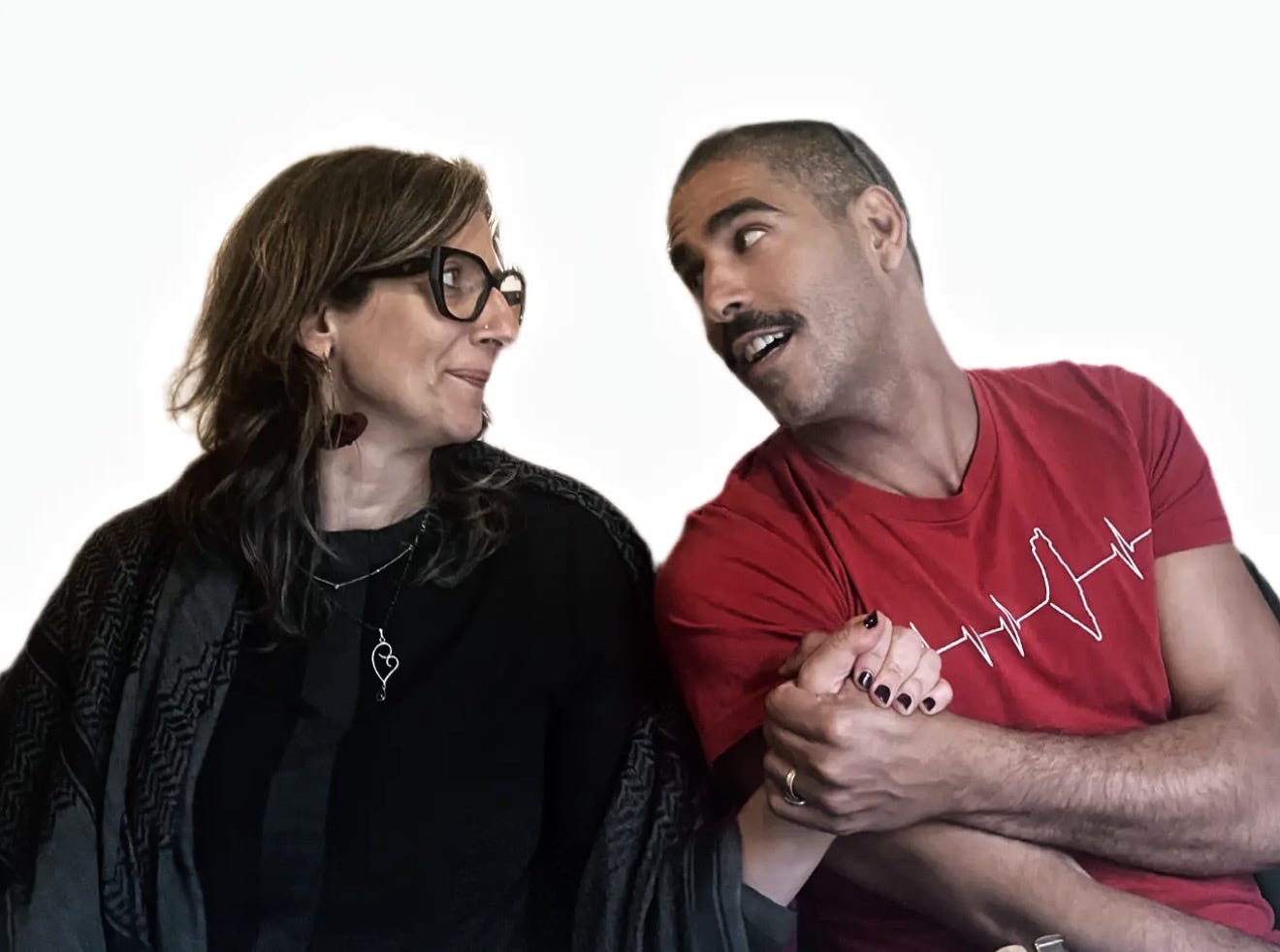
Francesca is not just a UN official or a legal case. She is a human, a mother, a friend, and frankly, a force of nature. She exists in the fullness of her multidimensional self, and in that wholeness, she challenges us to expand our own consciousness. She shows us that the fight for justice is not separate from the fight for our own humanity; that when we stand with the vulnerable, we are ultimately standing for ourselves.
In her presence, we are called to a higher level of being—not just intellectually, but spiritually, morally. She drives us to question what we thought we knew, to see the world through eyes that have witnessed unspeakable truths yet still choose hope. And in that transformation, we find the protection we need—not just from the external threats to freedom, but from the internal corrosion that happens when we look away from injustice.
Because when Francesca speaks, she speaks not just for herself, but for all of us who have forgotten what it means to be fully human in an inhumane world.
Let’s all widely circulate the petition and be inspired to never look away from truth. Francesca, like Palestinian journalists, health workers, cultural workers, and every day Palestinians, continue to inspire and uplift. Thank you for this wonderful news.
Some great news! She can finally breathe a little better!